

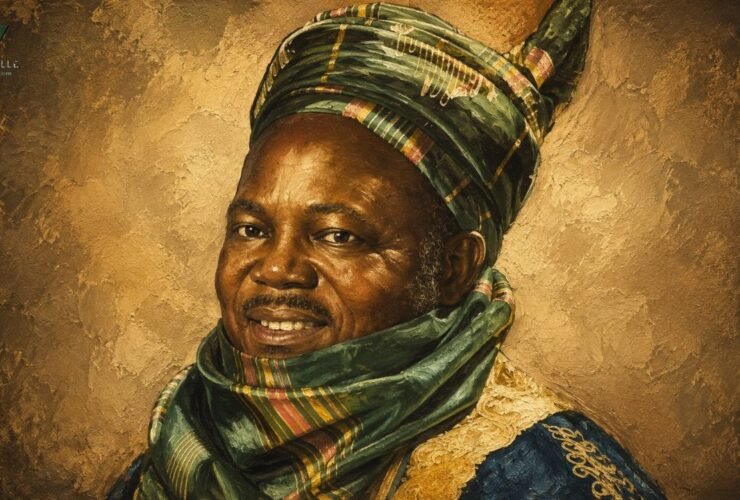
As the Sardauna of Sokoto, Sir Ahmadu Bello is still venerated by millions of Nigerians, especially among his kinsmen in Northern Nigeria.
Murtala Muhammed remains the youngest Nigerian Head-of-State to die in office and the only one to die before the age of 40.
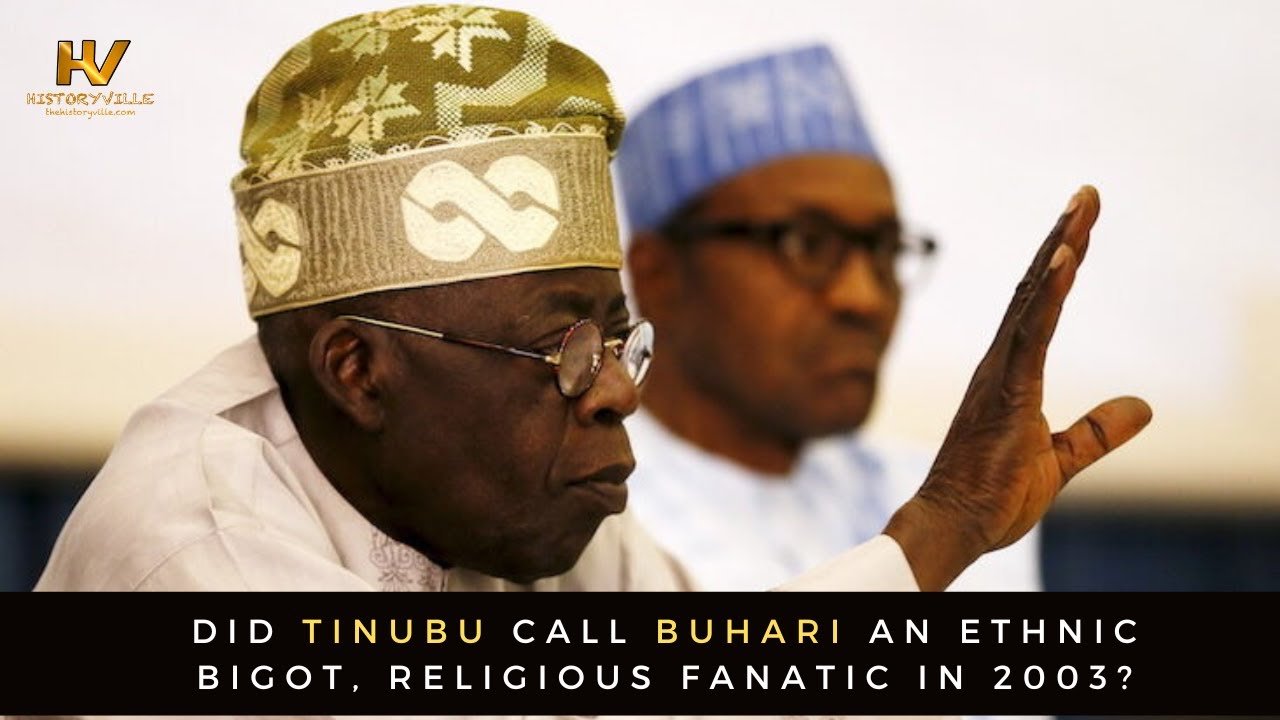
Asiwaju Bola Ahmed Tinubu allegedly labelled incumbent President Muhammadu Buhari as an “ethnic bigot and a religious fanatic” in 2003.
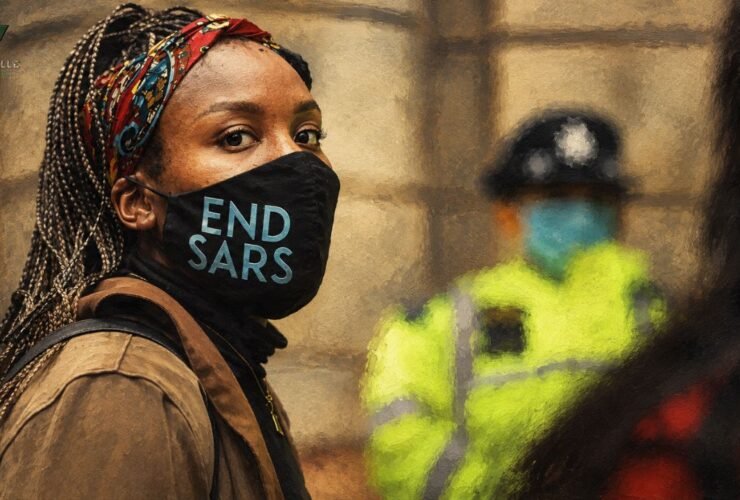
The October 2020 EndSARS Protest in Nigeria actively lasted 17 days; from October 7, 2020, to October 24, 2020.
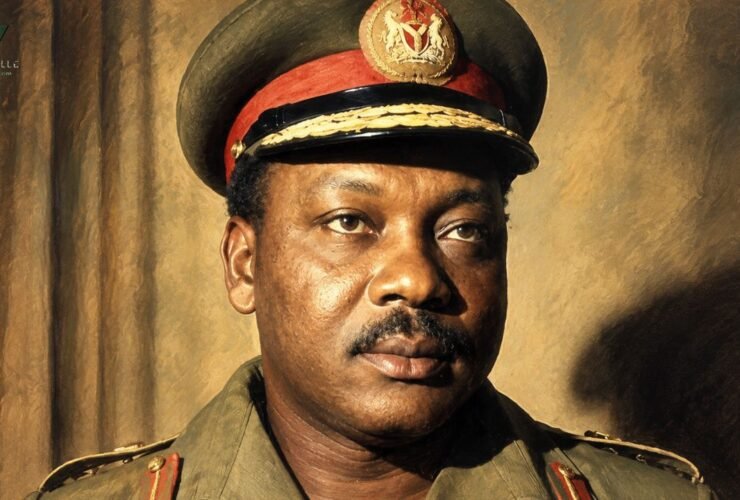
Ironsi's proclamation of Decree 34 on May 24, 1966, marked the beginning of the end for him. The decree strengthened the centre, thereby removing the powers granted to the regions.
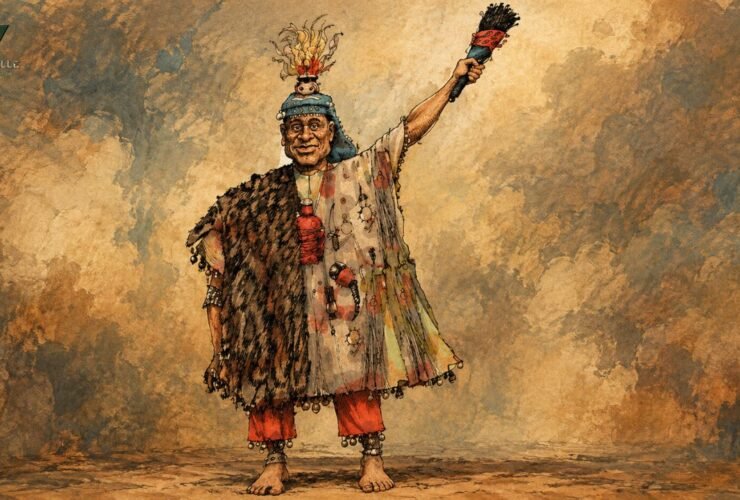
Afonja was the sixth Aare Ona Kakanfo of Yoruba land after Oku of Jabata. His term as Aare Ona Kakanfo signalled the surrender of Ilorin to Sokoto.
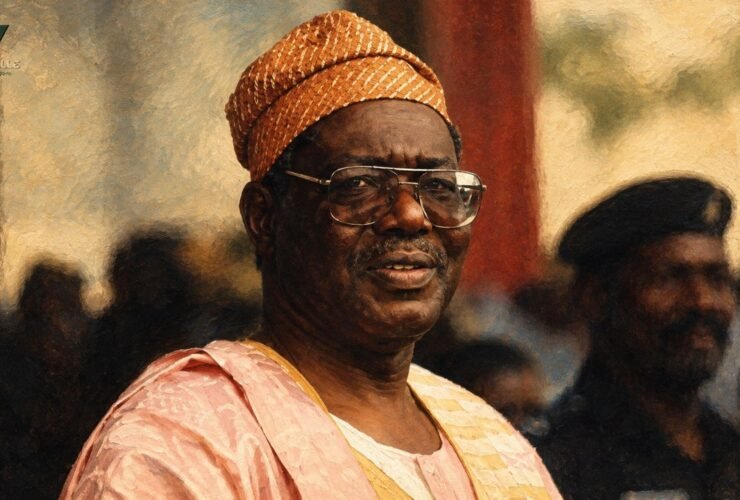
At around 3:30 p.m. on August 26, 1993, Ernest Shonekan was sworn in as Nigeria’s new Head of State by Chief Justice Mohammed Bello.
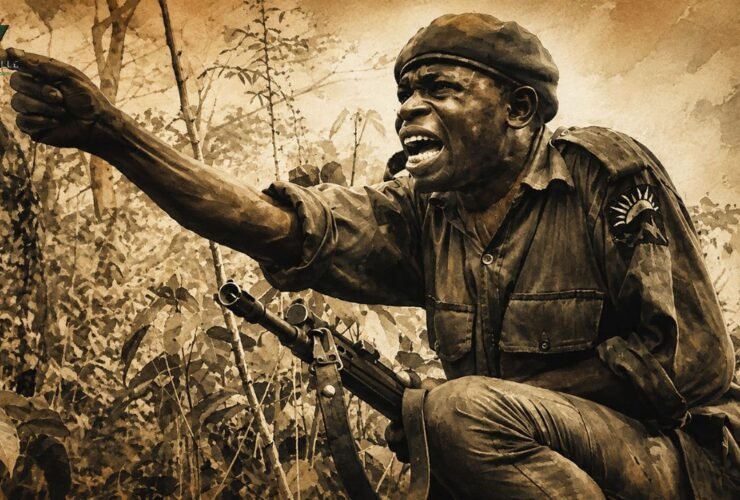
The Nigerian Civil War, also known as the Nigeria-Biafra War, was a war fought to counter the secession of the Republic of Biafra from Nigeria.
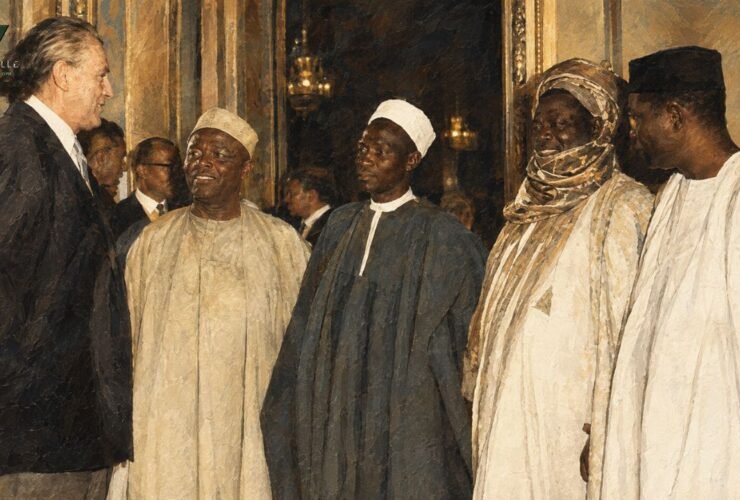
Nnamdi Azikiwe, Obafemi Awolowo, Ahmadu Bello, and Abubakar Tafawa Balewa have been commonly mentioned as Nigeria's founding fathers.
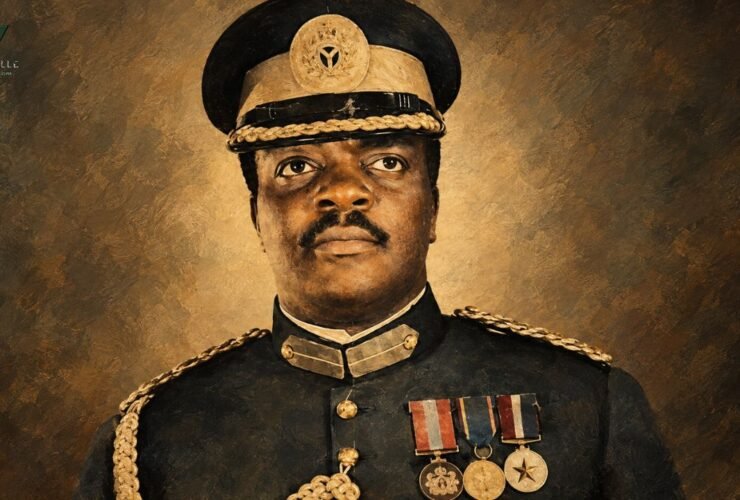
Mobolaji Johnson was only 31 years old when he was appointed as the first military governor of Lagos State in May 1967.
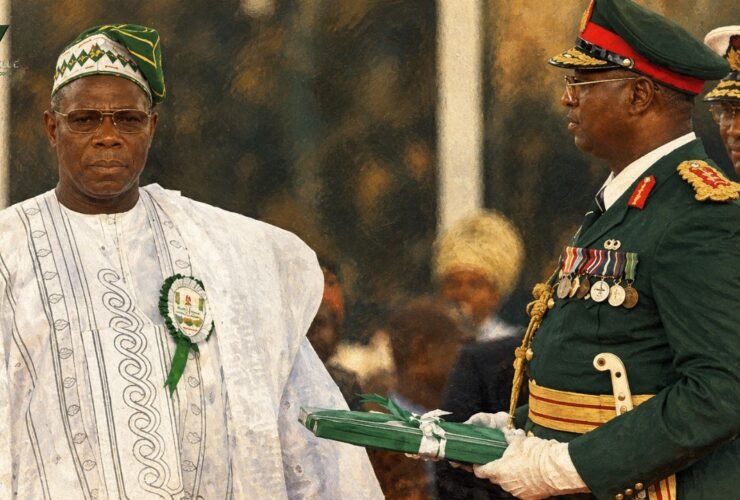
In June 1999, President Olusegun Obasanjo made a very important decision that would save Nigeria’s democracy and the nascent Fourth Republic.
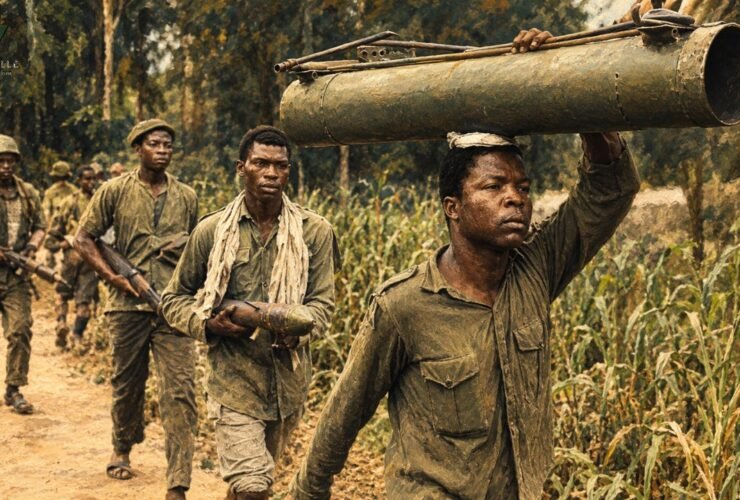
The Ogbunigwe was deployed in combat during the Nigerian Civil War, and at the peak of its production, Biafran forces reportedly manufactured about 500 units per day.
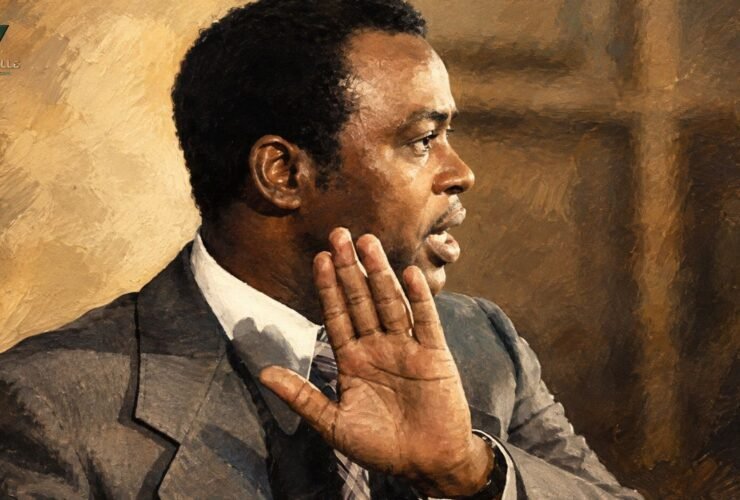
Montréal was the first Canadian city to hold an Olympic Games in 1976. The 21st Olympiad took place between July 17 and August 1, 1976.
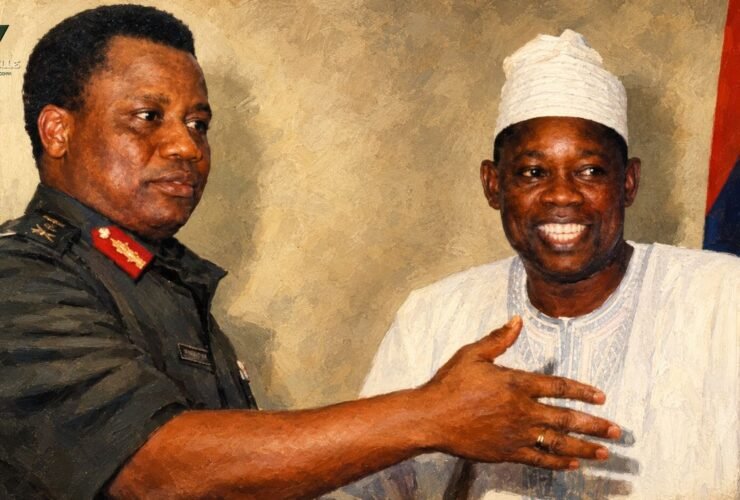
The June 12, 1993, presidential election represented a break with traditions of ethnic, religious, and regional conflicts and raised hopes for unifying the nation.
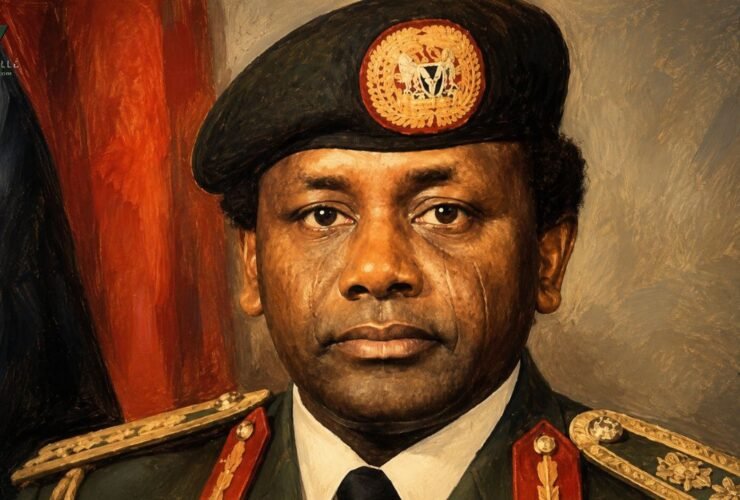
After Abacha's death, Lieutenant-General Abdulsalami Abubakar, Nigeria's Chief of Defence Staff, was sworn in as the country's 11th Head-of-State.
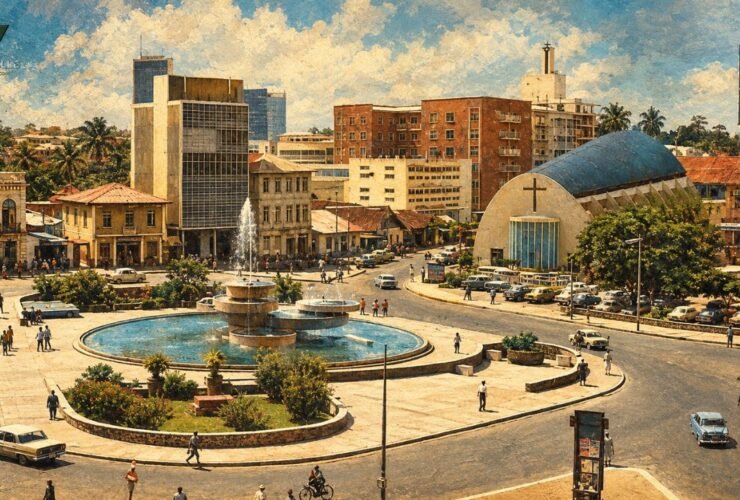
Lagos was the capital city of Nigeria for 77 years until the seat of government was moved to Abuja, which was planned and built specifically for that purpose.
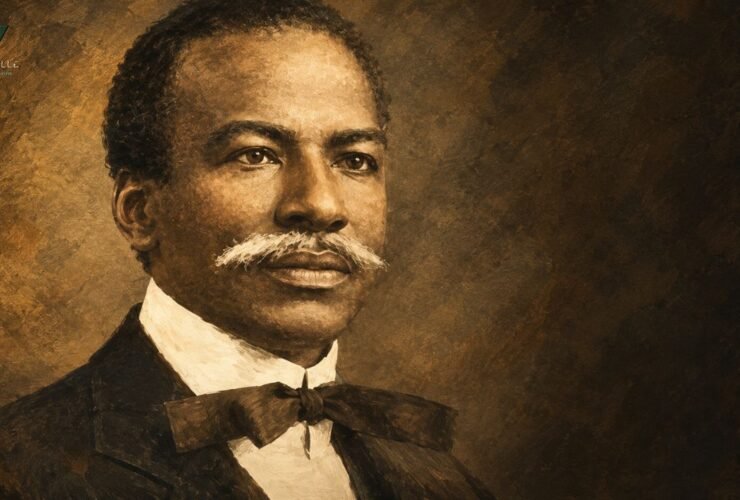
On December 5, 1893, Herbert Macaulay became the first Nigerian to qualify as a civil engineer and a member of the British Institution of Civil Engineers (ICE).
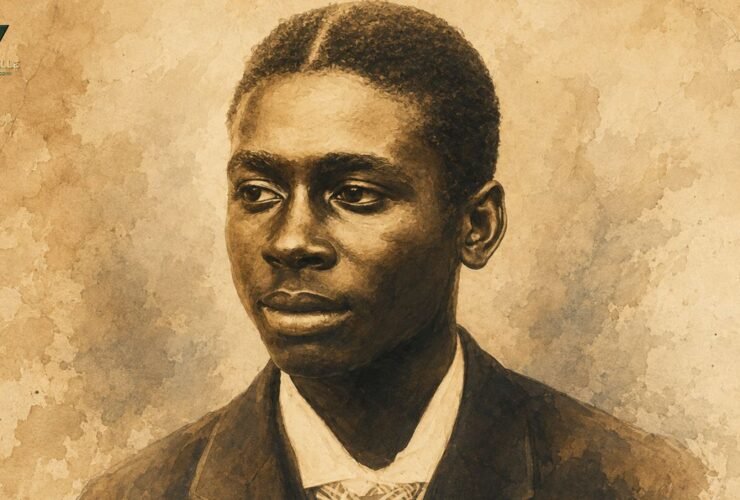
Jonathan Adagogo Green was Nigeria’s first known professional photographer and one of the earliest documented West African photographers.
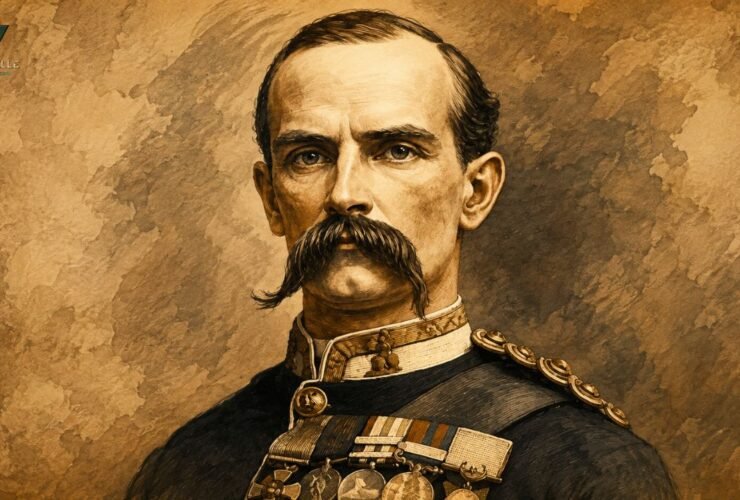
In 1912, Lord Frederick Lugard was appointed Governor-General of Northern and Southern Nigeria with the mandate to unite the two Protectorates.
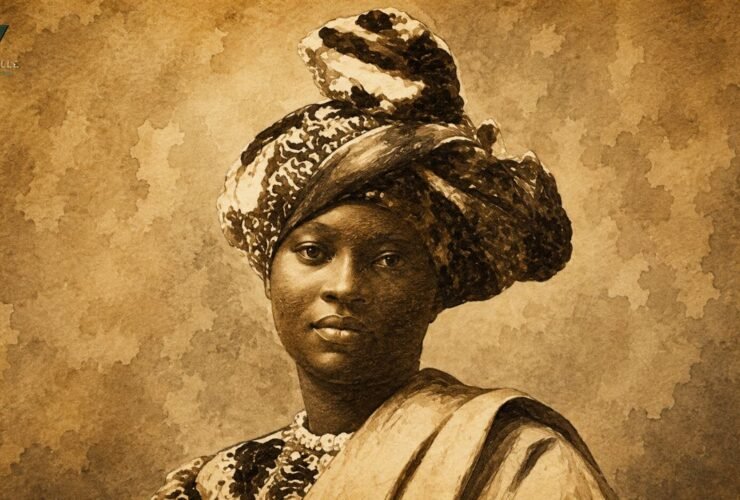
Ore Green worked in London, before returning in 1917 to Lagos where she first worked as a Midwife at the hospital of Dr. Richard Akinwande Savage (1874-1935).